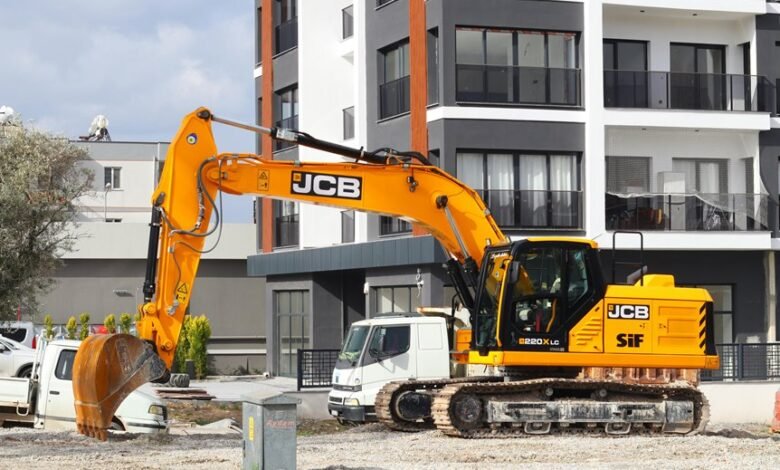
Smart Tech Infrastructure 503739669 Development represents a significant shift in urban planning and resource management. By integrating IoT, AI, and big data, cities can harness real-time information to improve efficiency and sustainability. This approach addresses many urban challenges but raises important questions about data security and equitable access. As cities evolve, understanding these dynamics will be crucial for fostering trust and ensuring the success of smart infrastructure initiatives. What implications might arise as these technologies advance?
The Role of IoT in Smart Infrastructure Development
How can the Internet of Things (IoT) transform infrastructure development into a more efficient and responsive system?
By integrating sensor networks, IoT enhances real-time data collection, enabling proactive maintenance and resource management. This interconnectedness fosters smarter decision-making while improving overall sustainability.
However, ensuring IoT security remains paramount, as robust protection safeguards sensitive data and maintains public trust in innovative infrastructure solutions.
How AI Enhances Urban Connectivity and Efficiency
Artificial Intelligence (AI) significantly enhances urban connectivity and efficiency, offering cities innovative solutions to complex challenges.
AI algorithms optimize urban mobility by streamlining traffic flow and improving smart transportation systems. Through real-time analytics, cities can adapt to changing conditions, ensuring more responsive and efficient infrastructure.
This integration fosters a seamless urban experience, empowering residents with enhanced accessibility and flexibility in their daily commutes.
Leveraging Big Data for Sustainable Urban Solutions
As cities face increasing pressures from population growth and environmental challenges, leveraging big data emerges as a crucial strategy for developing sustainable urban solutions.
Data analytics plays a pivotal role in urban planning, enabling municipalities to optimize resources, enhance infrastructure, and reduce waste.
Future Trends in Smart Tech Infrastructure for Cities
While cities continue to evolve in response to technological advancements, the future of smart tech infrastructure is poised to transform urban environments dramatically.
Innovations in smart mobility will enhance transportation efficiency, while the rise of green buildings will promote sustainability.
These trends aim to create interconnected spaces that prioritize environmental health and individual freedoms, fostering vibrant communities equipped for future challenges.
Conclusion
In conclusion, the evolution of smart tech infrastructure acts as a digital backbone for modern cities, weaving together the threads of IoT, AI, and big data into a cohesive fabric of urban development. As these technologies intertwine, they not only address pressing urban challenges but also nurture community well-being and environmental sustainability. However, just as a tapestry requires careful craftsmanship, ensuring data security and equitable access remains essential to maintain public trust and foster successful smart city initiatives.